Commercial Auto Insurance: A Complete Guide for Small Businesses
One at-fault accident involving a company vehicle can expose your small business to six-figure liability claims — here’s how to protect yourself the right way.
Why Commercial Auto Insurance Matters More Than You Think
Nearly 40% of small business owners use personal vehicles for business purposes without realizing their personal auto policy likely won’t cover them in a work-related accident, according to a survey by the Insurance Information Institute. That gap in coverage can be financially devastating.
Whether you run a single-truck plumbing company, a catering business with a delivery van, or a consulting firm where employees drive to client meetings, the moment a vehicle is used for business purposes, you’re entering legal and financial territory that personal auto insurance simply wasn’t designed to cover.
In this guide, you’ll learn exactly what commercial auto insurance is, what it covers, how much it costs, and how to choose the right policy for your specific business situation. We’ll also walk through the most common mistakes small business owners make — and how to avoid them.
This article is for educational purposes only. Always consult a licensed insurance professional before making coverage decisions.
What Is Commercial Auto Insurance and How Does It Work?
Commercial auto insurance is a business insurance policy that covers vehicles used for work-related purposes. Unlike personal auto insurance, it’s designed to handle the higher liability limits, broader usage patterns, and multiple-driver scenarios that come with operating a business.
The coverage applies to vehicles your business owns, leases, or regularly uses — including cars, vans, pickup trucks, box trucks, and specialty vehicles like food trucks or contractor rigs.
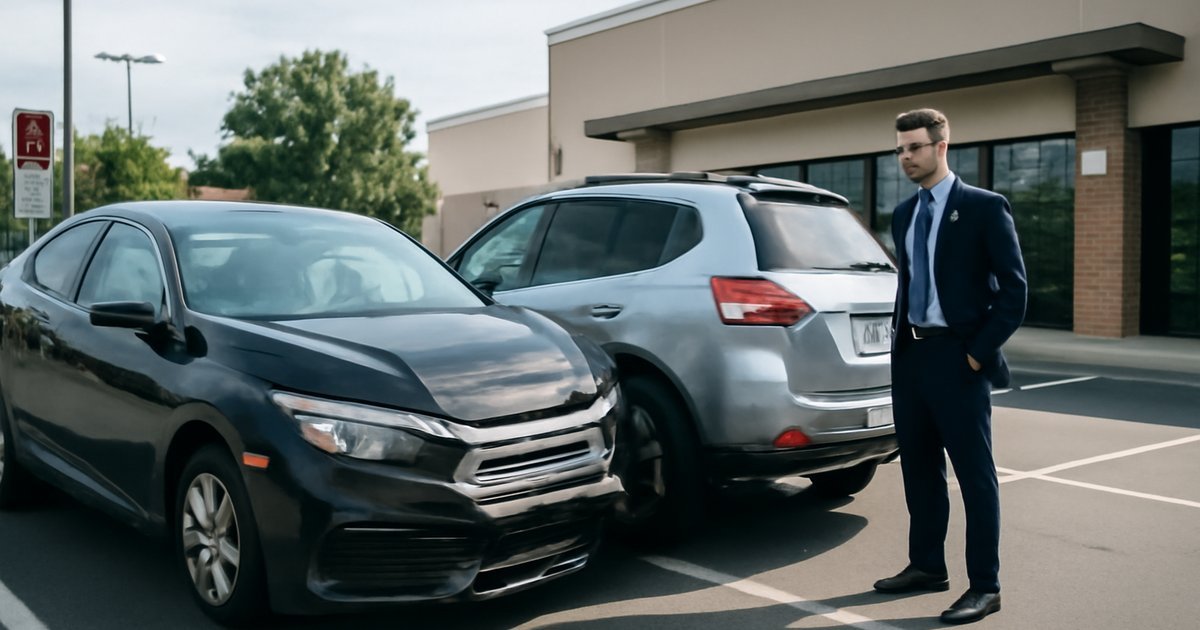
Here’s the critical distinction: if one of your employees gets into an accident while making a delivery, your personal auto policy will almost certainly deny the claim. The insurer will argue the vehicle was being used for commercial purposes, which falls outside personal coverage. That leaves your business financially exposed to property damage, medical bills, and lawsuits.
Commercial auto insurance fills that gap by providing:
- Liability coverage — pays for damage and injuries you or your employees cause to others
- Collision coverage — pays to repair or replace your vehicle after an accident
- Comprehensive coverage — covers non-collision events like theft, vandalism, or weather damage
- Medical payments coverage — covers medical costs for you and passengers after an accident
- Uninsured/underinsured motorist coverage — protects you if the at-fault driver has little or no insurance
It’s worth noting that commercial auto insurance also covers hired and non-owned auto liability — an add-on that protects your business when employees use their personal vehicles for work. You can learn more about that coverage option in our guide on protecting your business from unexpected legal claims.
Key Benefits of Commercial Auto Insurance for Small Businesses
The Federal Motor Carrier Safety Administration (FMCSA) reports that commercial truck accidents alone result in over $20 billion in economic costs annually across the United States. Even a single minor fender-bender can spiral into a costly legal battle if the other party sustains injuries.
Here’s why investing in the right commercial auto policy pays off:
Higher Liability Limits
Personal auto policies typically cap liability at $100,000 to $300,000. Commercial policies routinely offer $1 million or more in liability coverage — which matters enormously when a business vehicle accident results in serious injuries or wrongful death claims.
Coverage for Multiple Drivers
Your commercial policy can cover all authorized employees who drive company vehicles, not just the named insured. This is essential for businesses with delivery staff, field technicians, or sales reps who regularly use company cars.
Business Asset Protection
If your vehicle is totaled, collision and comprehensive coverage ensures you’re not left scrambling to replace essential equipment out-of-pocket. For many small businesses, a work vehicle isn’t a convenience — it’s the core of daily operations.
Legal Defense Costs
Commercial auto policies typically cover your legal defense costs if someone sues your business after an accident. Without coverage, even a frivolous lawsuit can drain your operating capital. This connects directly to broader business liability concerns discussed in our guide on customer car accidents on business property.
Compliance with State Laws and Contracts
Most states require commercial vehicles to carry minimum levels of liability insurance. Additionally, many clients, vendors, or lenders require proof of commercial auto coverage before doing business with you.
How to Get Started: Step-by-Step Guide
Getting commercial auto insurance doesn’t have to be complicated. Follow these steps to make sure you get the right coverage at a fair price:
- Identify your covered vehicles. List every vehicle used for business purposes — owned, leased, or regularly borrowed. Include employee-owned vehicles used for work if applicable.
- Clarify how vehicles are used. Insurers will ask detailed questions: Are you transporting clients? Hauling equipment? Making deliveries? The type of use significantly affects your rates and the type of coverage you need.
- Decide on coverage types and limits. At minimum, you’ll need liability coverage that meets your state’s requirements. Most insurance professionals recommend at least $500,000 in combined single-limit liability for small businesses — and $1 million if you regularly transport clients or large cargo.
- Gather driver information. Insurers will request driving records (MVR reports) for all drivers listed on the policy. Drivers with clean records lower your premiums; those with DUIs or multiple violations can significantly raise them.
- Compare quotes from at least three insurers. Major carriers offering commercial auto insurance include Progressive Commercial, Nationwide, Travelers, Geico Commercial, and The Hartford. Rates vary widely — sometimes by hundreds of dollars per year for the same coverage.
- Review the policy exclusions carefully. Pay attention to what’s not covered: personal use of company vehicles, unauthorized drivers, vehicles used for rideshare services, and certain cargo types may all be excluded.
- Ask about bundling discounts. Many insurers offer significant discounts when you bundle commercial auto with a Business Owner’s Policy (BOP) or general liability coverage.
Costs, Fees, and What Affects Your Premium
According to Insureon’s small business data, the average cost of commercial auto insurance ranges from $1,200 to $2,400 per year per vehicle for a small business. However, your actual premium will depend on a wide range of factors.
Factors That Drive Up Your Premium
- Vehicle type: Heavy trucks and specialty vehicles cost significantly more to insure than standard sedans or light-duty pickups.
- Driver history: Employees with traffic violations, DUIs, or at-fault accidents will increase your rates — sometimes dramatically.
- Annual mileage: The more miles driven for business, the greater the exposure, and the higher the premium.
- Industry and cargo: Businesses transporting hazardous materials, food products, or high-value goods face higher premiums due to increased liability exposure.
- Location: Urban areas with heavier traffic and higher accident rates typically result in higher premiums than rural areas.
Factors That Can Lower Your Premium
- Installing GPS tracking and dashcams on vehicles
- Requiring and documenting regular driver safety training
- Maintaining a clean claims history
- Choosing higher deductibles (the amount you pay out-of-pocket before insurance kicks in)
- Bundling with other business insurance policies
Tax Considerations
Generally speaking, commercial auto insurance premiums are tax-deductible as a business expense under IRS rules. Consult your CPA to confirm how to properly document and deduct these costs based on your business structure and vehicle usage percentage.
Common Mistakes Small Business Owners Make
Even well-intentioned business owners make coverage mistakes that leave them dangerously exposed. Here are the most common — and most costly — errors to avoid:
Mistake #1: Relying on Personal Auto Insurance for Business Vehicles
This is the most widespread mistake. If your personal insurer discovers the vehicle was being used commercially at the time of an accident, they can deny the claim entirely. You’d then be personally responsible for all damages — potentially hundreds of thousands of dollars.
Mistake #2: Not Listing All Drivers on the Policy
If an employee who isn’t listed on your commercial auto policy gets into an accident, your insurer may refuse to pay — or severely limit coverage. Always update your policy when you hire new employees who will drive company vehicles.
Mistake #3: Underestimating Liability Limits
State minimum liability requirements are often dangerously low. For example, some states only require $25,000 in bodily injury coverage per person. A serious accident resulting in hospitalization or long-term disability can easily exceed $500,000 in total costs. Always carry limits that reflect your actual financial exposure.
Mistake #4: Ignoring Hired and Non-Owned Auto Coverage
If your employees use their personal vehicles for work — even occasionally — and cause an accident, your business can be named in the lawsuit. Hired and non-owned auto liability (HNOA) coverage is an affordable add-on that closes this dangerous gap.
Mistake #5: Failing to Update Coverage as the Business Grows
Adding vehicles, hiring more drivers, or expanding into new states without updating your policy creates coverage gaps. Review your commercial auto insurance at least annually — or whenever your business operations change significantly.
Alternatives to Consider
Depending on your situation, a standard commercial auto policy may not be the only — or best — solution. Here are three alternatives worth evaluating:
1. Hired and Non-Owned Auto Insurance (HNOA)
Best for: Businesses where employees occasionally use personal vehicles or rent cars for work, but the company doesn’t own any vehicles.
Pros: Much cheaper than a full commercial auto policy; can often be added as an endorsement to a BOP.
Cons: Doesn’t cover owned vehicles; doesn’t replace a full commercial policy if you own vehicles.
2. Fleet Insurance
Best for: Businesses operating five or more vehicles.
Pros: Typically offers lower per-vehicle premiums than insuring each vehicle separately; easier to manage with a single policy and renewal date.
Cons: May require minimum vehicle thresholds; some carriers are selective about fleet composition and driver histories.
3. Business Owner’s Policy (BOP) with Auto Add-On
Best for: Small businesses with one or two vehicles that also need general liability and property coverage.
Pros: Bundled pricing is often 10-20% cheaper than buying policies separately; simplified management.
Cons: BOP auto coverage may have lower limits than a standalone commercial auto policy; not all carriers offer this bundling option.
Frequently Asked Questions
Is commercial auto insurance required by law?
In most states, yes — if your business owns vehicles, you’re legally required to carry at least minimum liability coverage. Requirements vary by state, so check your state’s Department of Motor Vehicles (DMV) or insurance commissioner’s website for specific minimums. Federal requirements apply to vehicles operating across state lines, particularly those regulated by the FMCSA.
Can I use a personal auto policy if I only occasionally use my car for business?
It depends on the frequency and nature of the use. Light, incidental use — like occasionally driving to a client meeting — may be covered under some personal policies with a business use endorsement. However, regular delivery, transporting clients, or any use that generates revenue will almost certainly require a commercial policy. Check with your personal insurer in writing before assuming you’re covered.
What’s the difference between a commercial auto policy and a fleet policy?
A commercial auto policy typically covers one to four vehicles individually, with each vehicle listed on the policy with its own coverage selections. A fleet policy covers five or more vehicles under a single agreement, often with blanket coverage that automatically includes newly added vehicles. Fleet policies are generally more administratively efficient and cost-effective at scale.
Will my commercial auto insurance cover personal use of a company vehicle?
Most commercial auto policies do extend coverage to personal use of a company vehicle — but this is not universal. Some policies restrict coverage to business use only. Review your policy language carefully, and if employees are permitted to use company vehicles personally, make sure your policy explicitly includes that use.
How quickly can I get commercial auto coverage?
In most cases, you can get a quote and bind coverage within 24 to 48 hours through major commercial insurers like Progressive Commercial, The Hartford, or Travelers. Some online platforms can issue certificates of insurance the same day. If you need immediate coverage — for a new vehicle purchase or a new client contract requirement — contact an independent commercial insurance broker who can expedite the process.
Taking Action: What to Do Next
Commercial auto insurance isn’t optional for most small businesses — it’s a legal requirement and a financial necessity. A single uncovered accident can trigger lawsuits, wipe out cash reserves, and even put a small business out of operation permanently.
Start by honestly assessing how your business uses vehicles today. Then get at least three competitive quotes from reputable commercial insurers, compare coverage limits — not just premiums — and make sure every driver and every vehicle is properly listed on your policy.
Review your coverage annually as your business evolves. And when in doubt, work with a licensed commercial insurance broker who specializes in small businesses — their expertise can save you far more than their fee.
Protecting your vehicles is just one layer of a complete business insurance strategy. Make sure you also have adequate general liability, property, and professional liability coverage in place.
Financial Disclaimer: This article is for educational purposes only and does not constitute financial, tax, or insurance advice. Always consult a licensed financial advisor, insurance professional, CPA, or attorney before making financial decisions.